
Motion Control Robotics: The Foundation of Modern Automation
Motion control forms the backbone of modern robotics, enabling machines to perform precise, coordinated movements across countless applications. This elegant merger of mechanical engineering, electronics, and computer science has revolutionized industries from manufacturing to medicine.
What Is Motion Control?
At its core, motion control is the science of precisely controlling the movement of machines. It encompasses the systems and technologies that direct the position, velocity, and acceleration of mechanical components with extreme accuracy.
In robotics, motion control systems typically consist of:
- Controllers that process commands and generate motion profiles
- Drive systems that amplify control signals
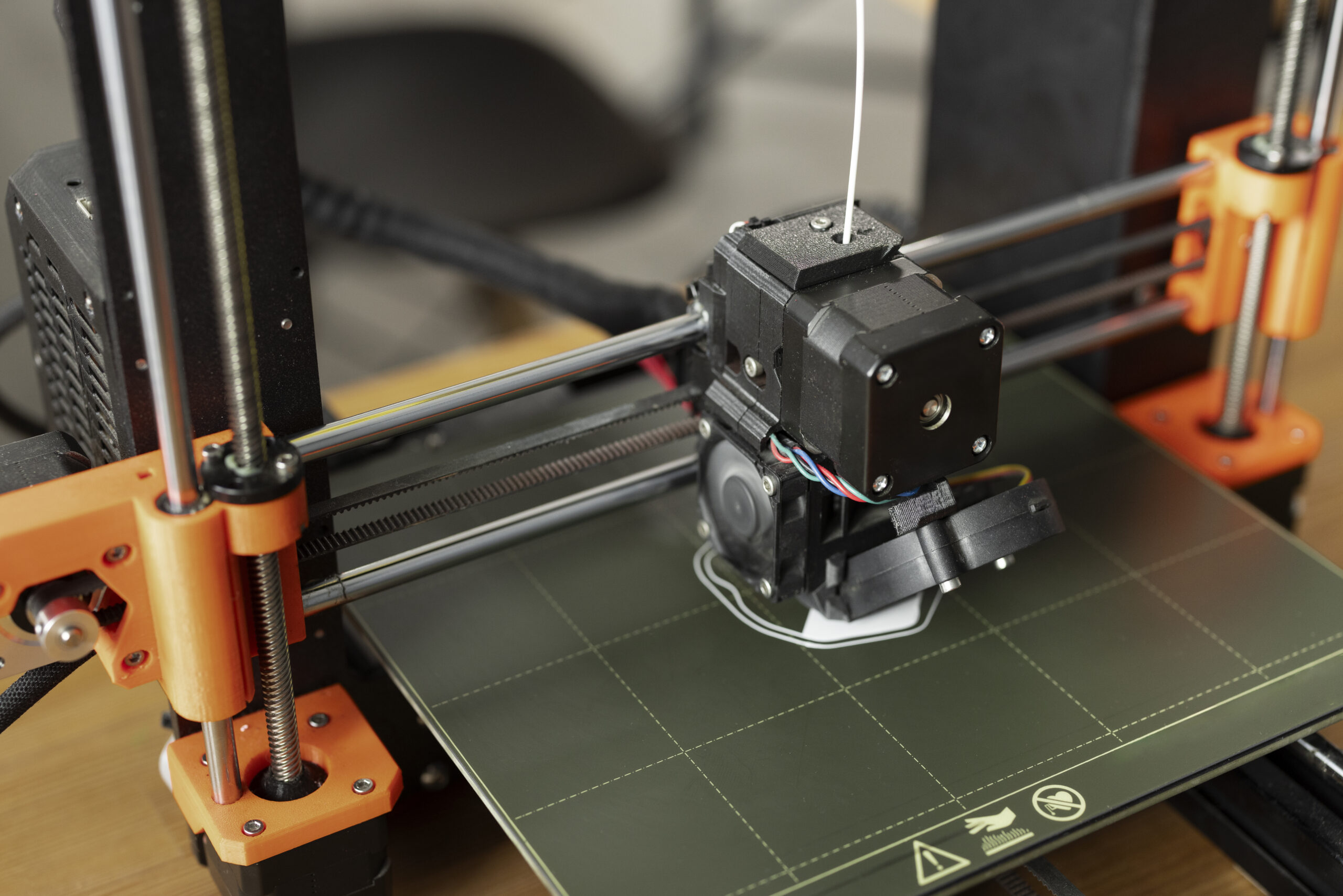
- Motors that generate physical movement
- Feedback devices that monitor actual position and speed
- Mechanical components that translate motor rotation into desired motion
The Evolution of Robotic Motion Control
Early robotic systems utilized simple point-to-point control, often with limited accuracy. Today’s systems feature sophisticated algorithms that enable smooth, coordinated multi-axis movements that can adapt in real-time to changing conditions.
The integration of advanced sensors, machine learning, and AI has further enhanced motion control capabilities, allowing robots to:
- Navigate complex environments autonomously
- Perform delicate tasks with human-like dexterity
- Self-correct and optimize their movements
- Collaborate safely with human workers
Applications Transforming Industries
Motion control robotics has found applications across virtually every industry:
Manufacturing facilities use robotic arms for assembly, welding, and material handling with micrometer precision. Medical robots assist surgeons in performing minimally invasive procedures with steadiness beyond human capability. Warehouse automation systems orchestrate complex logistics operations with hundreds of coordinated robots.
The Future of Motion Control
As computational power increases and algorithms become more sophisticated, we can expect motion control systems to achieve even greater precision, adaptability, and efficiency. Emerging technologies like soft robotics and biomimetic design promise to create machines with unprecedented flexibility and natural movement patterns.
The continued advancement of motion control technology will remain essential as robots take on increasingly complex roles in our society, economy, and daily lives.



0 Comments
No comments yet. Be the first to comment!